

ᅟᅠ
26
2026
-
03
How Car Paint Protection Film Addresses UV Aging
During daily driving, vehicles are constantly exposed to sunlight, and ultraviolet (UV) rays have a continuous impact on the paint, leading to fading, loss of gloss, and even surface aging. Therefore, effectively mitigating the damage of UV rays to car paint has become an important issue in car maintenance, and car paint protection film plays a crucial role in this regard.
I. The Mechanism of UV Damage to Car Paint
The surface layer of car paint is usually composed of clear coat, whose main function is to protect the base color and enhance gloss. However, UV rays have strong energy and can damage the chemical structure of the clear coat, causing it to gradually oxidize. This manifests as color fading, decreased gloss, and in severe cases, even fine cracks.
II. Protective Advantages at the Material Level
High-quality car paint protection film typically uses highly stable polymer materials and incorporates UV-resistant components during the manufacturing process. These materials can absorb or weaken the energy of UV rays, blocking them from reaching the paint surface through the film layer.
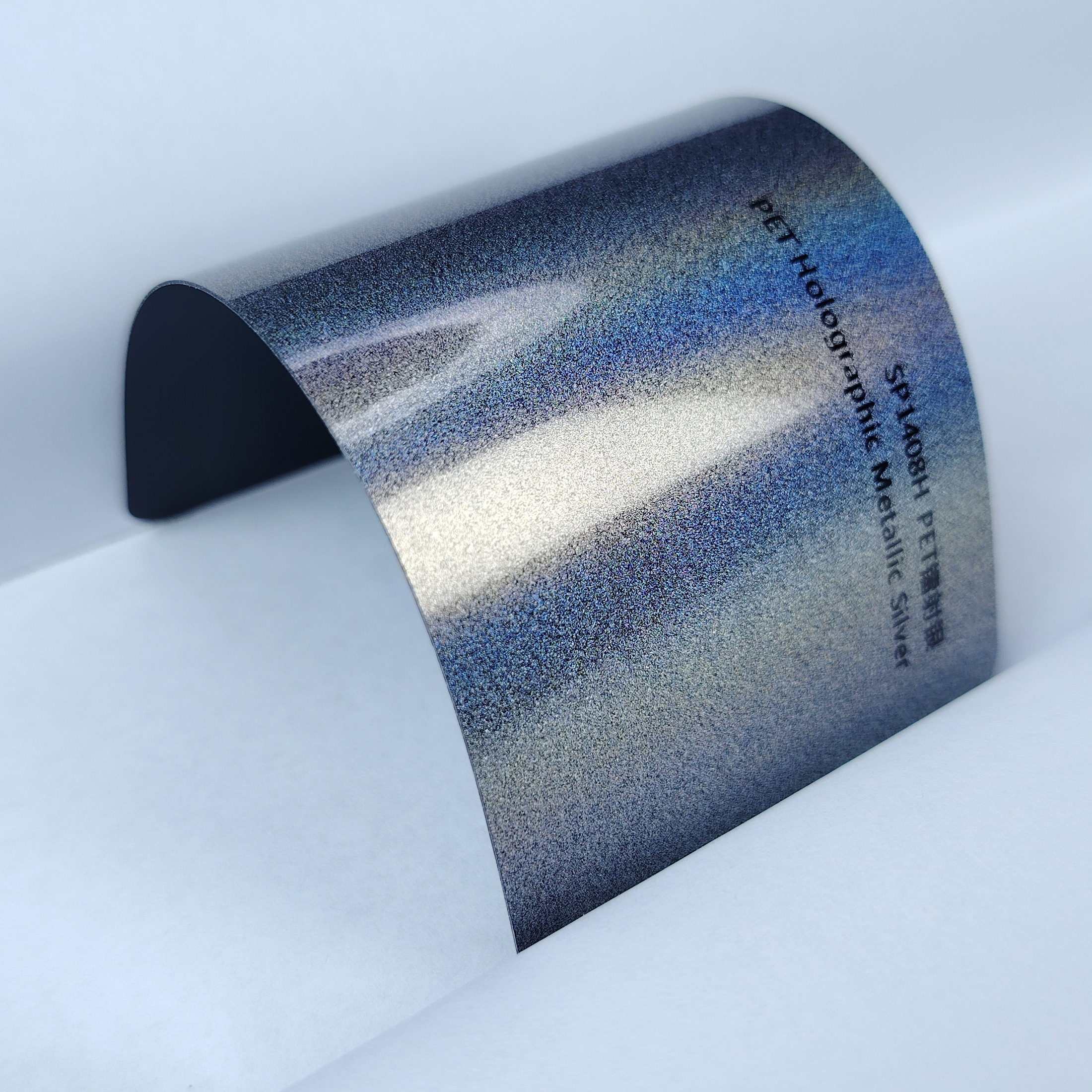
III. Forming a Physical Barrier
Car paint protection film, applied to the outer layer of the car body, acts as a "buffer layer" for the original paint. When exposed to ultraviolet (UV) radiation, the protective film is the first to come into contact with the paint, significantly reducing the radiation exposure. This isolation effect can significantly slow down the aging process of the paint.
IV. Stable Performance in Long-Term Use
High-quality protective films maintain structural stability even under high temperatures and strong light, resisting yellowing or brittleness, thus continuing to provide protection. Compared to unprotected paint, the appearance is more durable and the color is more uniform, helping to maintain the overall quality of the vehicle.
V. Proper Maintenance Extends Protective Effect
In practical use, proper maintenance is equally important. For example, regularly cleaning the car body, reducing prolonged exposure to sunlight, and avoiding the use of strong corrosive cleaners can all help maintain the protective film in good condition, further enhancing its UV resistance.
Car paint protection film, through its material properties and structural design, effectively mitigates UV damage to the paint. For users who want to maintain the appearance and value of their vehicles for a long time, this is a practical and economical protection solution.
Relevant News
